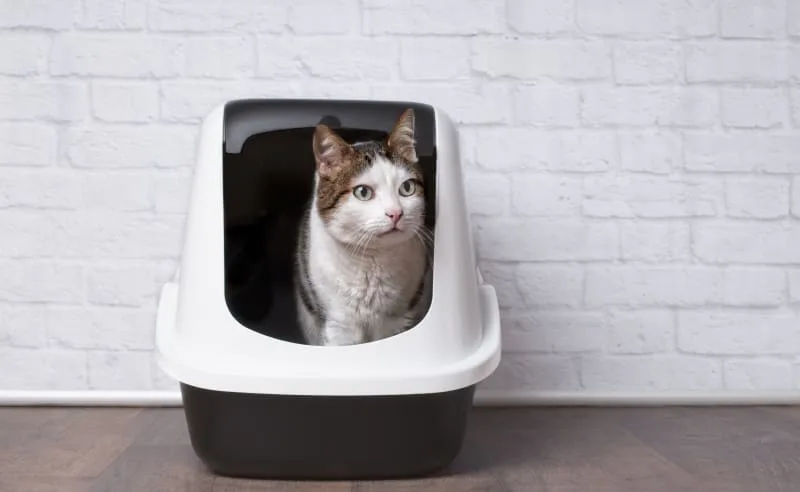
If your cat is constipated they could be very uncomfortable and restless, it is also a very serious health concern. In this blog, our Stockton vets share the causes and symptoms of cat constipation as well as how you can help your beloved kitty.
Constipation in Cats
The majority of cats usually poop every 24 to 36 hours. If your kitty poops less frequently, has to strain to poop, or doesn’t poop at all, they are probably constipated. It’s a common condition among cats and is generally usually mild enough to be treated with at-home remedies.
If it doesn't happen to your feline friend often there is probably no reason to be worried however, if it happens frequently or if they haven't had a bowel movement in 48 - 72 hours you will need to schedule an appointment with your vet. Sometimes constipation can be a symptom of a serious health issue, and make your kitty very uncomfortable (and severe in some cases).
The Causes of Cat Constipation
Constipation can develop if things aren’t moving through the intestines normally. Other elements that can contribute to your cat's constipation are:
Not enough fiber
Anxiety or stress
Pain or other issues in the spine
Dry food diets (can predispose cats to constipation and dehydration)
Arthritis pain
Kidney issues
An obstruction such as bones or string blocking the colon
Excessive grooming (leads to extra hair in the digestive tract)
Feline megacolon (colon gets large enough that the muscles no longer squeeze and hard, dry stool builds up inside)
Inflammatory bowel disease
Nerve problems
Allergies
Narrow places, tumors, or other problems inside the colon
Cancer
Perianal disease
Chronic diseases such as hyperthyroidism, diabetes, or kidney disease
Ruptured or impacted anal sacs (can also cause pain with defecation)
Cats of any age or breed that eat a low fiber diet or don't drink enough water can become constipated but, elderly cats experience constipation more often than kittens.
The Signs & Symptoms of Constipation in Cats
Normally, cat poop is well-formed, rich brown in color, and is moist enough that litter will stick to it.
Signs your cat may be constipated include hard, dry stools that end up either inside or outside of the litter box (the discomfort your cat feels trying to pass these stools may make them leave the litter box before they are actually finished).
Other symptoms of constipation can include:
Entering and exiting litter box multiple times when needing to go
Avoiding litter box
Not being able to poop at all
Straining or crying in the litter box
If you notice your cat showing signs of discomfort when they use the litter box, contact your vet as it could indicate serious urinary tract problems.
Because constipation is a symptom of other health issues, you might also see signs of an underlying condition, which could include:
Drinking more or less water
Decreased appetite
Difficulty jumping up
Muscle loss
Hiding
Walking stiffly
Peeing more
Weight loss
Nausea
Vomiting
If your cat is displaying any of these symptoms with or without constipation, consult a veterinarian.
Available Treatments for Cat Constipation
Even though some constipation cases are mild and can be treated with lifestyle and diet changes, in addition to at-home remedies, some situations can be severe and require veterinary care. These serious issues can also become emergencies if they are not treated.
Constipation has to be treated as fast as possible to lower the risk of permanent damage as a result of prolonged distension of the colon.
The underlying problem has to be identified and fixed (if possible) in order to treat your cat's constipation. Impacted feces should be removed and recurrences prevented. The inability to pass urine or feces, or pain when passing urine or feces, is considered a veterinary emergency. Your veterinarian may first run any applicable diagnostic tests, then provide fluids or an enema for immediate relief, and prescribe medications or recommend over-the-counter meds.
We need to stress that veterinary expertise is mandatory in order to safely and effectively perform the enema - these should not be done at home as some types of enemas designed for humans are toxic to cats.
If your cat’s constipation is long-term or they are suffering from obstipation (the inability to empty their colon on their own), they may have megacolon, an enlarged intestine due to a defect in the colon’s muscle strength.
Cats with chronic constipation or megacolon that doesn't respond to medical treatment might need to have the infected section of their large intestine removed.
At-Home Remedies for Treating Your Constipated Cat
Below are at-home remedies that could help relieve your cat’s constipation:
Minimize stress and anxiety
Increase exercise to help with weight loss, reduce anxiety and promote normal movement of intestines
Try a new diet (lamb, chicken, special limited ingredients, or hypoallergenic diets) to reduce inflammation and allow intestines to move things normally
Try fiber-rich foods, a teaspoon of canned, pureed pumpkin once or twice a day, or ginger as natural remedies
Provide probiotics
Help your cat maintain a healthy weight
Over-the-counter laxatives (consult your vet, as these may worsen symptoms in cats with underlying or chronic diseases)
Watching for Your Cat's Constipation
Track the frequency of your cat’s litter box deposits and stool consistency initially for at least twice a week, then weekly or biweekly.
If you see hard, dry feces, or if you notice that your cat is straining while defecating or exhibiting other symptoms of constipation, contact your veterinarian - especially if diarrhea is a factor as dehydration may quickly become a problem.
Do you think your cat is constipated? Contact our Stockton vets immediately to schedule an appointment. We will be able to diagnose the cause of your kitty's constipation and provide them with the best possible treatment plan.